Multi-page storefronts backed by a real operations platform
For brands that need more than a beautiful homepage.
KeynoStore gives ecommerce teams a stronger evaluation story: not just themes and pages, but the operational layer behind them. Use one platform for merchandising, orders, branch-aware stock, payments, and reporting.
What this unlocks
Reduce storefront sprawl while keeping merchandising, checkout, stock, and reporting aligned.
Best fit
Who this solution is for
Retailers moving beyond brochure storefronts and plugin-heavy stacks
Multi-branch brands needing one commerce core across online and offline channels
Teams that want storefront flexibility without disconnecting fulfillment and finance
Operators replacing theme-first tools with business-first architecture
What you can run on this
How your team runs this day to day
Structure the storefront
Build landing, catalog, policy, and brand pages around the way your team merchandises and sells.
Connect the operating layer
Tie products, inventory, checkout, payments, and fulfillment to the same underlying records.
Run campaigns with confidence
Launch promotions, content updates, and new collections without losing visibility into stock and order impact.
Report across channels
Review demand, conversion, inventory movement, and customer activity in one system.
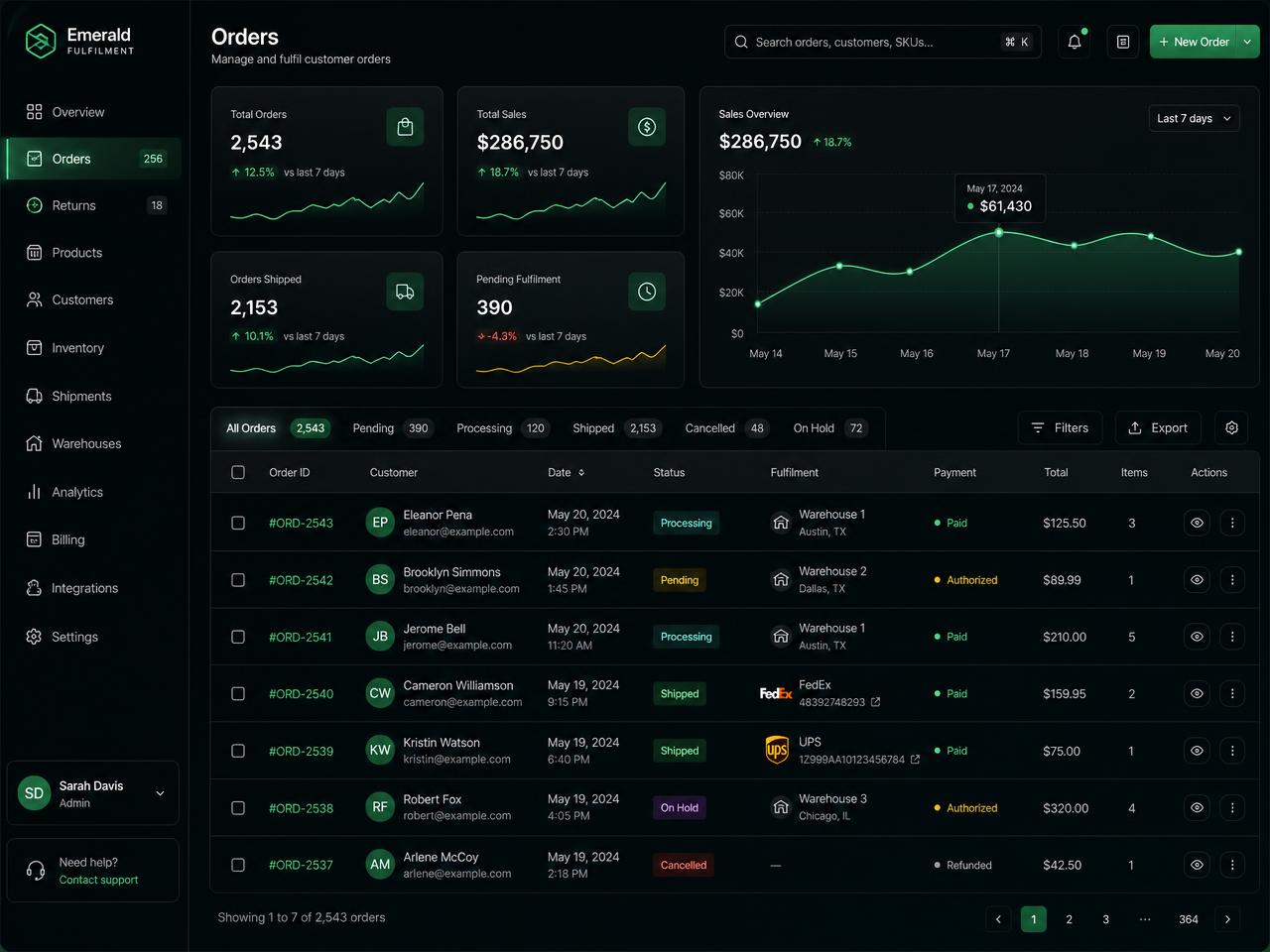
Product evidence
From storefront presentation to order execution
Enterprise ecommerce buyers need to see how the public experience connects to internal operations, not just how the homepage looks.
Built for this business model
Storefront flexibility without losing operational truth
Enterprise ecommerce buyers often want better content control while still keeping merchandising tied to real stock and order behavior.
Capability matrix
Everything this operating model needs
Operations
Finance
Customer
Governance
Integrations
Local fit and trust
The controls and connections that keep it running
Supports branded multi-page experiences without detaching operations.
Keeps customer, order, and stock data closer to the systems teams actually use.
Provides a stronger path for merchants evaluating replacement of fragmented ecommerce tooling.
Role-based benefits
Leadership
Get a clearer view of platform scope, operating cost, and rollout readiness.
Operations
Run inventory, fulfillment, counter activity, and workflows from one system.
Finance
Understand payments, credits, reconciliation paths, and reporting exports.
Frontline teams
Use faster role-specific screens for store, support, warehouse, or service staff.
Admins
Control permissions, approvals, configuration, and auditability across the business.
Migration and rollout
Implementation story buyers can trust
Review the current storefront, product model, and operational dependencies.
Map products, customers, and order behavior into KeynoStore structures.
Validate checkout, fulfillment, and reporting flows with live operators before launch.
Customer scenario
Typical rollout: premium multi-branch retail brand
A retailer consolidates a theme-heavy online presence, branch stock visibility, and manual reconciliation work into one platform.
Why it lands better
Comparison against the old way of working
Beautiful storefront, weak operating visibility
Storefront and operations evaluated together
Plugin sprawl for promotions, stock, and customer continuity
More of the core workflow handled by one platform
Online and offline teams working from different systems
Shared commerce data and reporting layer
FAQs
Questions buyers ask before they commit
Is this only for storefront design?
No. The storefront is one layer of a broader commerce operating system covering stock, orders, payments, and reporting.
Can ecommerce teams grow into POS or wholesale later?
Yes. The platform is designed so online-first businesses can extend into new operating models without re-platforming again.
Evaluate enterprise ecommerce with rollout, governance, and operating fit in mind
Use the consultation flow to map the current stack, migration priorities, and the operating teams that need to be involved.